
During this season of Lent, the six weeks before Easter, we take time to reflect on our finite humanity. Though we don’t need a specific season to do this, Lent is a good reminder to take stock of the sin and brokenness in our lives – those sins which we commit, those done to us, and those surrounding us. We do this not to beat ourselves up and wallow in guilt, or to blame others, but as a way to see reality and to recognize God’s forgiveness and redemption. This forgiveness can free us to respond in love to God and God’s world.
Throughout scripture, we see people confessing and receiving forgiveness. In the Psalms, we hear David and other psalmists cry out to God in their brokenness and ask for mercy, expecting that because of God’s loving mercy, they will be forgiven.
Create in me a pure heart, O God,
and renew a steadfast spirit within me.
Do not cast me from your presence
or take your Holy Spirit from me.
Restore to me the joy of your salvation
and grant me a willing spirit, to sustain me.
(Psalm 51:10-12)
Before Jesus started his ministry, his cousin, who we know as John the Baptist, “went into all the country around the Jordan, preaching a baptism of repentance for the forgiveness of sins.” Luke 3:3. Then, throughout his ministry, Jesus speaks forgiveness over many people he encounters, shocking the religious establishment. This forgiveness seems as, if not more, important than the physical healing.
Following Jesus’ death, resurrection, and ascension, the disciples took up this message. We see the disciples preaching the need for repentance in the early years of the church in Acts, as well as in their letters, such as this passage from 1 John 1.
If we claim to be without sin, we deceive ourselves and the truth is not in us. If we confess our sins, he is faithful and just and will forgive us our sins and purify us from all unrighteousness. If we claim we have not sinned, we make him out to be a liar and his word is not in us.
In today’s society, confession can seem old-fashioned and even unnecessary, if not damaging. Especially if we are in places and around people where we need to keep up appearances to succeed in school and careers. However, the truth of God’s Word and actions remain. The teacher, writer, and pastor, John Mark Comer, writes the following in his book, Practicing the Way.
The problem is: Human beings resist facing reality. The human capacity for self-deception is staggering. But when it comes to sin, ignorance is not bliss. It’s a cancer metastasizing through our bloodstreams. The diagnosis is essential to the cure. Over a millennia and a half ago, Evagrius Ponticus said, ‘The beginning of salvation is to condemn oneself.’ He was just saying that until we name our sin and open our wound to God, we can’t be saved from it.
This means we must begin by setting all that we are before God’s loving eye. It is only when we are honest with God, others, and ourselves about all the ways we fall short of love that we enter into the transformational process of becoming more loving. (96)
I wonder what this looks like not only for our personal lives, but also for our campuses, our departments, our disciplines. Since these institutions are made up of humans, sin will inevitably infect them – and, like us, awareness of the brokenness is the start of any healing. You may want to consider the following questions.
- In what ways do you see people in your discipline set up the discipline or career success as an alternative to God?
- Where do you see the relational effects of the fall in your discipline’s understanding of human relationships and society? In the relationships within your department?
- How would you characterize the prevailing climate of conversation with your peers—is it one of wonder and delight, or something closer to cynicism? Why do you think this is?
- What is idolatry as it applies to your academic work?
- Where does evidence of the fall show up in your discipline?
As you do this exercise, talk with God and/or a fellow believer about what you find. More than likely, you aren’t going to be able to change the things you discover. But you might be able to recognize one area that you would like to pray into more. You may also become curious about ways to express the brokenness and turn toward healing in the places where you have influence. In all of this, remember that we trust a God who is a master rebuilder.
They will rebuild the ancient ruins
and restore the places long devastated;
they will renew the ruined cities
that have been devastated for generations.
(Isaiah 61:4)
For more on the practice of confession, here are a couple of articles from other places on the ESN blog.
Remember You are Dust
Confession
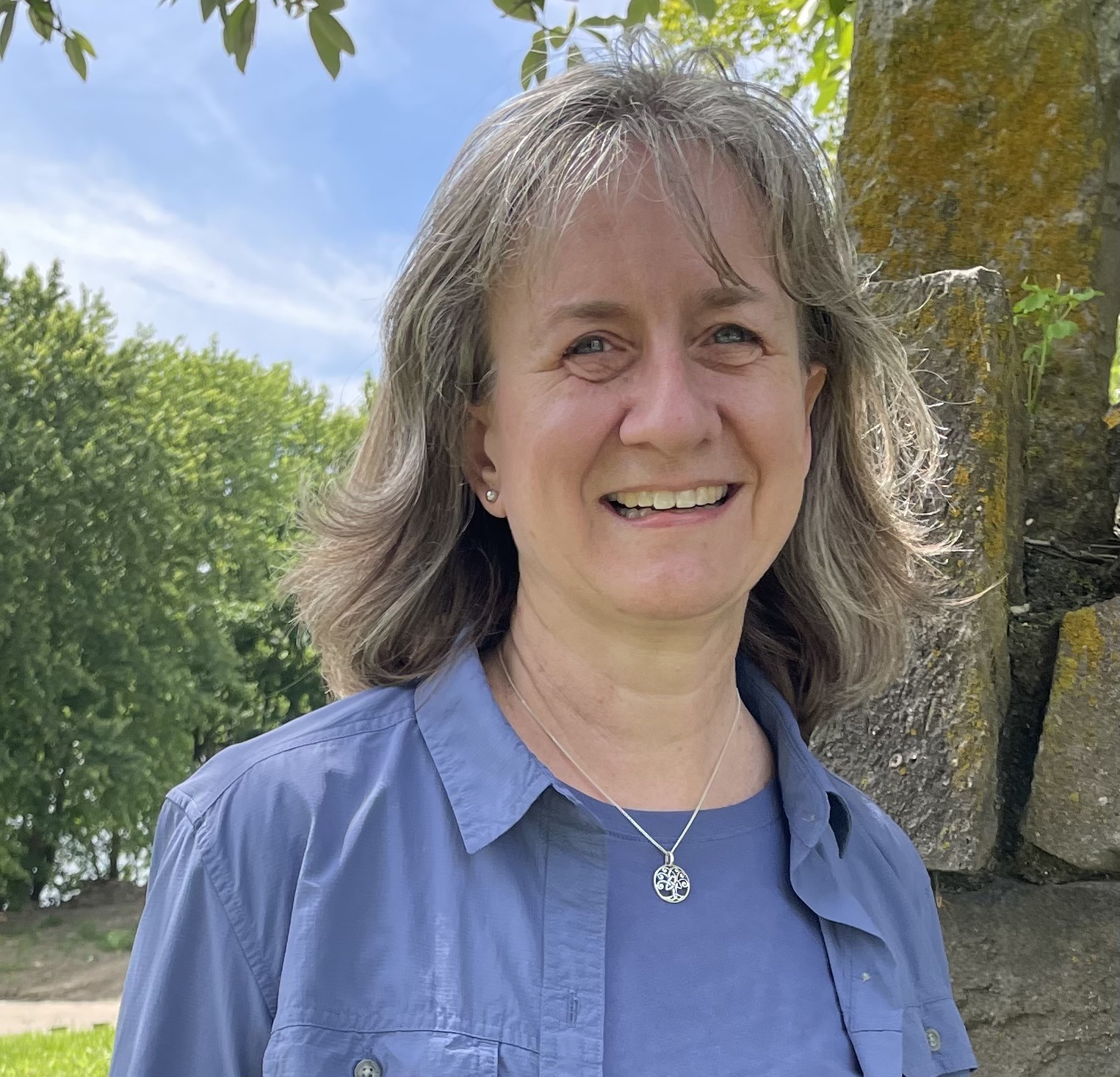
Jamie serves with InterVarsity Graduate and Faculty Ministries as an Associate Director of Faculty Ministry and as Director of the Emerging Scholars Network. Among other things, in this work she enjoys the opportunity to put into practice her doctoral research in literary pilgrimage and training in spiritual direction. She also ministers with the local faculty community at the University of Cincinnati.
Leave a Reply