This spring’s Chronicle of Higher Education piece The Myth of First-Year Enlightenment has more to consider (Note: link to earlier post here). Of particular interest are the practical steps which Tim takes to address quintessential Americans in the classroom. Any students or faculty have reactions to the proposed shift in learning objectives and new classroom style?Â
First, he has shifted his learning objectives away from content retention and toward skill development. … he has virtually eliminated lecturing in his classroom, since its primary purpose is to convey content that students tend to quickly forget anyway. Instead, he spends classroom time “discussing issues, contrasting perspectives and interpretations, and working on semester-long projects that require on-going development and revision.â€
Second, he no longer claims (among the learning objectives listed on his syllabi) that his courses will broaden a student’s worldview. His research has convinced him that such objectives simply don’t translate into any meaningful learning for freshmen. … That might be the reality of teaching freshmen, but just because it’s true doesn’t make it any less depressing. … Clydesdale’s book has convinced me that such big-picture objectives have to take a back seat to the development of practical skills in reading, writing, and communicating. And he has also convinced me that freshmen certainly deserve no blame for their general unwillingness to open themselves up to what higher education might offer them.
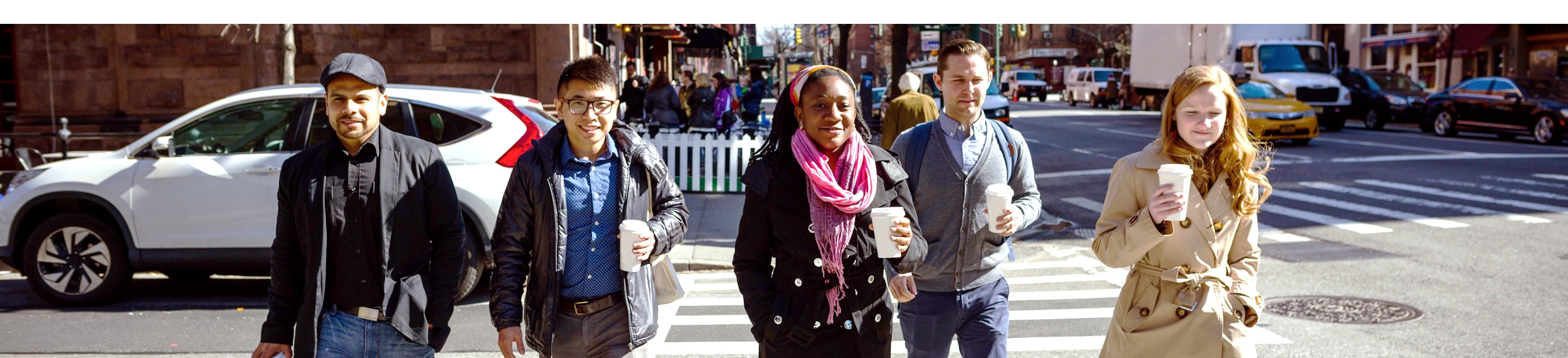
Few and far between, writes Clydesdale, are freshmen “whose lives are shaped by purpose, who demonstrate direction, who recognize their interdependence with communities small and large, or who think about what it means to live in the biggest house in the global village.â€ÂBut it’s equally true, as he points out, that “few and far between are American adults†who could be described in those same lofty terms.ÂIn other words, the practical-minded teenagers we find in our classrooms — cognitively sharp but intellectually immune, to borrow a trenchant phrase from the book — are nothing more than quintessential Americans.â€
About the author:

Tom enjoys daily conversations regarding living out the Biblical Story with his wife Theresa and their four girls, around the block, at Elizabethtown Brethren in Christ Church (where he teaches adult electives and co-leads a small group), among healthcare professionals as the Northeast Regional Director for the Christian Medical & Dental Associations (CMDA), and in higher ed as a volunteer with the Emerging Scholars Network (ESN). For a number of years, the Christian Medical Society / CMDA at Penn State College of Medicine was the hub of his ministry with CMDA. Note: Tom served with InterVarsity Christian Fellowship / USA for 20+ years, including 6+ years as the Associate Director of ESN. He has written for the ESN blog from its launch in August 2008. He has studied Biology (B.S.), Higher Education (M.A.), Spiritual Direction (Certificate), Spiritual Formation (M.A.R.), Ministry to Emerging Generations (D.Min.). To God be the glory!