 On campus, in my newsfeeds, and even at a recent poetry reading, I hear the longing for hope in what seems like a world filled with fear and despair. In contrast, I encounter words of hope throughout scripture, even in times of distress, such as Paul’s encouragement to the church in Rome: May the God of hope fill you with all joy and peace as you trust in him, so that you may overflow with hope by the power of the Holy Spirit. (Romans 15:13).
What does it look like to live into God’s narrative of hope these days? A narrative grounded in the truth of Christ’s life, death, and resurrection; in the Spirit’s presence in our lives today; and in the promise of eternal life with God. N. T. Wright writes in the book Surprised by Hope.
“Salvation, then, is not “going to heaven” but “being raised to life in God’s new heaven and new earth.” But as soon as we put it like this we realize that the New Testament is full of hints, indications, and downright assertions that this salvation isn’t just something we have to wait for in the long-distance future. We can enjoy it here and now (always partially, of course, since we all still have to die), genuinely anticipating in the present what is to come in the future. “We were saved,” says Paul in Romans 8:24, “in hope.” The verb “we were saved” indicates a past action, something that has already taken place, referring obviously to the complex of faith and baptism of which Paul has been speaking in the letter so far. But this remains “in hope” because we still look forward to the ultimate future salvation of which he speaks in (for instance) Romans 5:9, 10.”
We can read and reason about the idea of hope. We can have great conversations and deeply believe that Christ is our hope (Col 1:27). But what is it to live this hope, to enjoy this salvation here and now? God created us and calls us to love him with our hearts, souls, minds, and bodies. It would make sense that living out this hope would involve our whole being. It also involves more deeply understanding God’s story.
Reflection
Let’s start this journey into the narrative of hope by engaging in a reflection that recalls God’s greatest call on our lives – to love God and one another, which is grounded in God’s initial love for us and all of creation.
Jesus gave this commandment to love one another at the meal he shared with his disciples before he was betrayed and crucified. Not necessarily a hopeful time. Yet, God’s love is so much greater than what Jesus knew would happen at Gethsemane and Golgotha that he could invite the disciples to live out God’s love even in the face of death. This is true hope.
Read John 5:5-17
Contemplative Practice: Lectio Divina (Divine Reading)
Lectio Divina is an open, reflective way of listening to scripture. Read the passage slowly, three times. After the first reading, name a word or phrase that sticks out to you. After the second reading, reflect on how this passage relates to your life, particularly your life on campus. After the third reading, ask God for an invitation from the readings.
- What is your overall response to the readings of this passage?
- Where do you see evidence of hope within the passage and in your reflections?
- How might God be inviting you to live into hope through these words?
Prayer
Close your time by offering a prayer to God using words from the passage and any thoughts and feelings that arise from your heart and mind.
Campus Walk
You may want to take time to pray about and reflect on this love while physically standing at or walking through the heart of the campus – the student center, library, main entrance, or a campus green – a place where you can see buildings and people. How is God inviting you to love him and your neighbor?
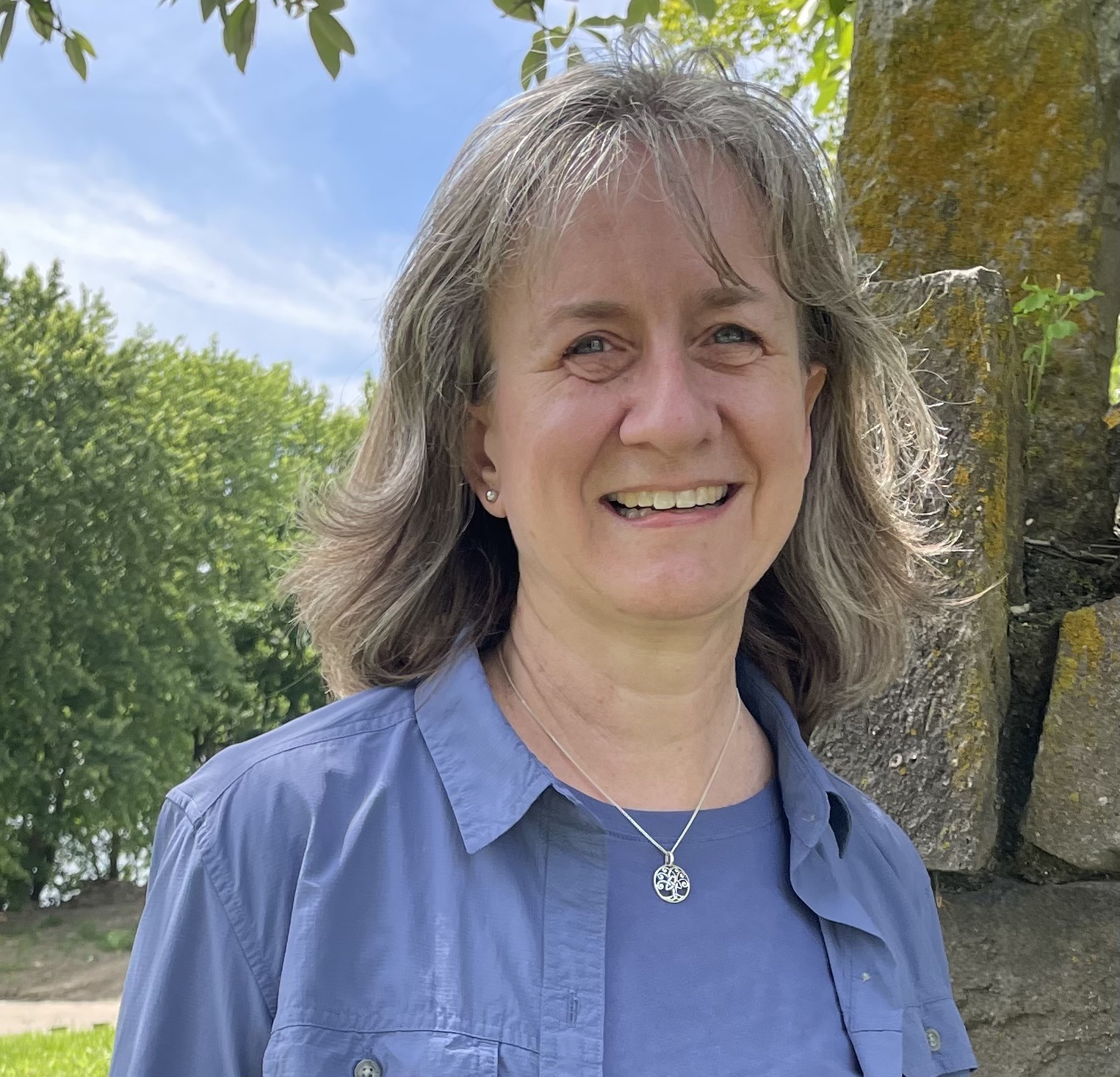
Jamie serves with InterVarsity Graduate and Faculty Ministries as an Associate Director of Faculty Ministry and as interim Director of the Emerging Scholars Network. Among other things, in this work she enjoys the opportunity to put into practice her doctoral research in literary pilgrimage and training in spiritual direction. She also ministers with the local faculty community at the University of Cincinnati.
Leave a Reply